
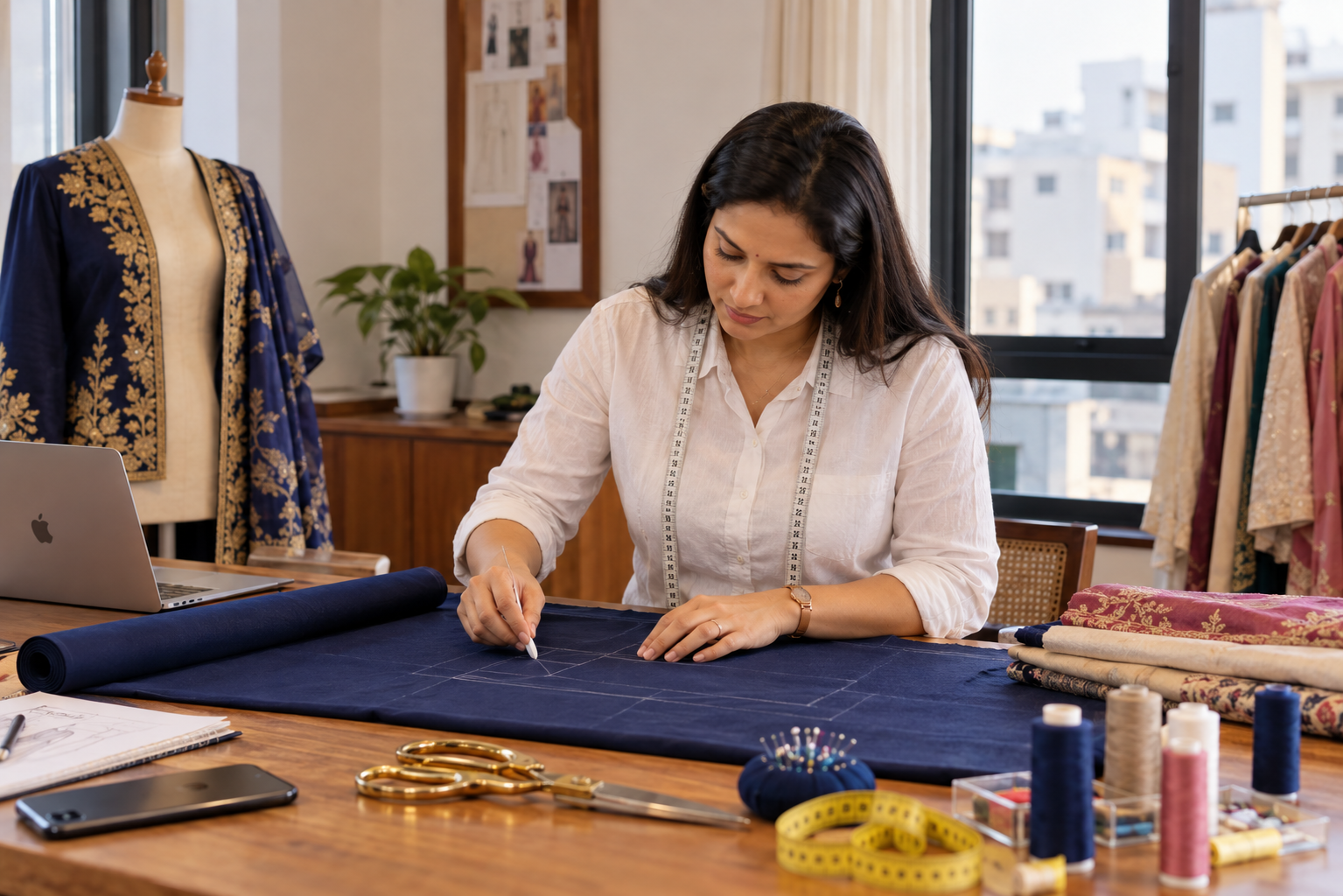
Choose a tailor who matches your need
A well‑chosen tailor can improve how garments look, feel and last. Start by clarifying whether you need basic alterations, custom construction, bridal or occasion wear, traditional stitching, or specialty repairs. Each area requires slightly different skills, tools and workflows. Use this guide to identify what matters for quality, what to check in a first meeting, and how to compare professionals so you can hire with confidence.
Step-by-step: how to evaluate and hire a tailor
- 1. Define the work and the outcome you want
Write a short brief before you search. Note the garment type, desired fit, fabric and any design references (photos, sketches). Decide whether you need structural changes—like re‑construction or pattern drafting—or surface work such as hemming and pressing. A clear brief reduces misunderstandings and makes quotes easier to compare.
- 2. Find tailors who specialize in your request
Specialist tailors often deliver better results for niche needs. Look for professionals who list your garment type (suits, gowns, ethnic wear, uniforms) and describe relevant experience on their profile. When a tailor highlights similar projects or techniques, you can ask targeted questions during the first conversation.
- 3. Inspect samples and past work
Ask to see photos or physical samples of finished garments, seam finishes, and close‑up stitching. Check how seams lie, how hems are finished and how linings are attached. If possible, view garments made in fabrics similar to yours so you can judge handling and drape.
- 4. Discuss measurements, fit process and fittings
Clarify the number of fittings included, what each fitting will address, and how measurements are recorded. Good tailors explain how their fitting sequence achieves movement and comfort, not only static measurements. Ask if they offer pattern adjustments for recurring body changes (posture, muscle bulk, pregnancy, etc.).
- 5. Compare pricing, timelines and what’s included
Request itemized quotes: base price, additional fit sessions, fabric handling fees and estimated turnaround. Compare quotes for the same scope rather than the lowest number alone. Balance price with evidence of craft—quick, cheap work can cost more later if garments fail or need rework.
- 6. Confirm materials handling and recommended work
Discuss how the tailor will handle your fabric—interfacing choices, seam finishes and reinforcement in high‑stress areas. Ask for recommendations on thread type, linings and interfacing; a knowledgeable tailor explains trade‑offs between durability, drape and weight.
- 7. Evaluate communication and reliability
Test responsiveness and clarity during initial messages or calls. Confirm expected delivery checkpoints and how changes are handled. Reliable communication is often as important as technical skill for meeting deadlines and avoiding misunderstandings.
Pre‑hire checklist: what to verify before you commit
- Clear description of services offered (alterations, custom builds, bridal, repairs).
- Portfolio images or examples of recent work.
- Itemized quote and payment terms.
- Number and type of fittings included.
- Turnaround time and delivery checkpoints.
- Policy for alterations after delivery or rework.
- Fabric care instructions and recommended cleaners.
- How they document measurements and pattern notes.
Questions to ask in your first meeting
- How many fittings will this project require and what does each address?
- Can you show examples of similar garments you’ve completed?
- What fabric handling techniques will you use for this material?
- Who will do the work—one tailor or a team—and where is it completed?
- What are the payment schedule and refund or rework policies?
- How do you record and store client measurements for future orders?
- Do you offer pattern drafting or alteration of existing patterns?
- Are rush orders possible and what are the extra costs?
Compare common tailoring services
Ideal for: ready‑to‑wear adjustments
Hemming, tapering, waist adjustments and simple repairs. Faster turnaround and lower cost than custom construction.
Ideal for: one‑off fitted garments
Pattern drafting, bespoke fittings and full‑construction work. More time and fittings typically required for precise fit.
Ideal for: formal and multi‑stage projects
Often requires multiple fittings, special fabrics and careful finishing. Ask about experience with the event type and timeline.
Ideal for: cultural or artisanal garments
Embroidery, hand finishing and traditional construction techniques. Confirm the tailor’s familiarity with the specific cultural style.
Use filters to narrow professionals by service type, location and availability where those features exist. Review public profile details and portfolios to confirm relevant experience, and message professionals to ask the checklist questions before you request a quote. Note that the availability of discovery features, messaging channels and booking tools varies by market and by the individual professional’s profile.
Frequently asked questions
How many fittings are usually necessary for a custom suit?
A typical custom suit may require two to three fittings: an initial basted fitting to check shape and balance, a second fitting to refine details and a final check for finishing touches. The exact number depends on the tailor’s process and the complexity of the suit.
Can a tailor alter delicate or specialty fabrics?
Many tailors work with delicate fabrics, but techniques vary. Ask how they handle the specific material—silk, chiffon, sequins or heavy brocade—and request examples of similar work. Proper interfacing, needle choice and seam finishes are important for specialty fabrics.
What should I do if a garment needs further adjustment after delivery?
Discuss rework policies before you pay. Many tailors allow a short window for minor tweaks at reduced or no extra cost. Keep receipts and measurement notes; clear documentation speeds follow‑up adjustments.
Is it better to bring a reference garment or photos?
Both help. A reference garment shows how a fit feels on your body; photos communicate style and proportions. Combining references gives the tailor the best information to match fit and design.